Iran War Fears Push Oil and Rates Higher, Costing Households $1,700
Escalating tensions linked to Iran are driving up oil prices and Treasury yields, squeezing U.S. consumers with higher energy and borrowing costs.
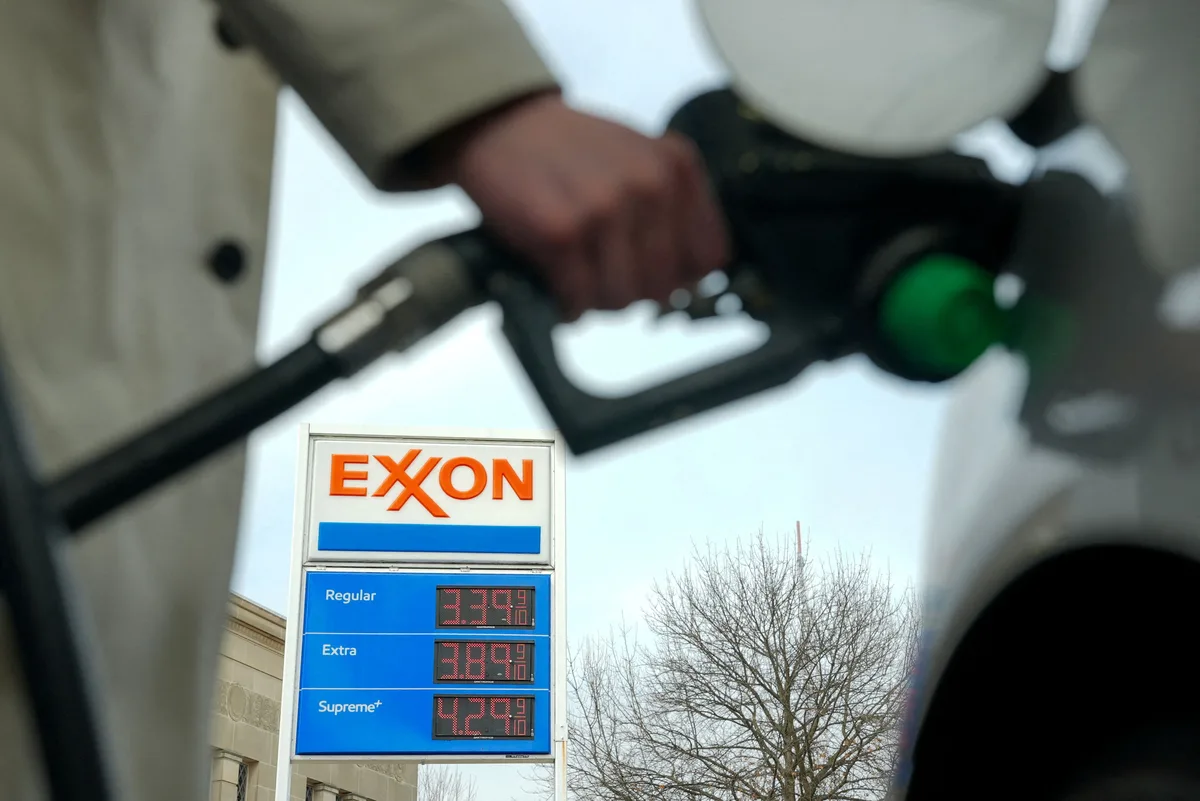
U.S. consumers are absorbing a dual financial blow as tensions tied to Iran push oil prices and Treasury yields higher simultaneously, according to analysts tracking the fallout. The combined pressure is estimated to cost the average American household roughly $1,700, a figure that underscores the real-world stakes of geopolitical instability in energy markets.
Rising oil prices translate directly into higher gasoline and heating costs, two expenses that weigh disproportionately on lower- and middle-income families. At the same time, elevated Treasury yields feed through to mortgage rates, auto loans, and credit card interest, tightening the financial margins of borrowers across the country.
Read more Fed Rate Hike Could Renew Trump's Battle Over Central Bank Independence →
With household budgets squeezed from both directions, Americans are increasingly leaning on personal savings to cover the gap. Analysts warn that sustained drawdowns on savings reduce the financial cushion that many families built up in the aftermath of the pandemic, leaving them more vulnerable to further economic shocks.
The convergence of energy and credit-market pressures reflects a broader concern among economists: that geopolitical events abroad can rapidly translate into domestic financial strain, particularly when inflation remains a persistent backdrop. Federal Reserve policymakers could face added complexity if rising oil costs reignite consumer price pressures while household balance sheets weaken.
Continue reading at US Top News and Analysis.